1 Hour Ultra Cleanse Cleansing Softgel
Pass Any Urine Drug Test

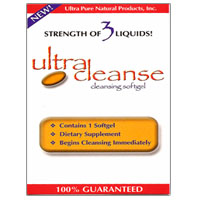
Pollutants in the air, food and water we ingest can cause damage to our organs and tissues. It is important that we cleanse or 'strip' these poisonous toxins from our bodies regularly. 1 Hour� Cleansing Softgels provide a safe and effective way to help cleanse the body of unwanted toxins that build up in your body on a daily basis. We recommend you use 1 Hour� Cleansing Softgels often so you can benefit from a cleaner, healthier body.
- Only 1 Softgel
- Strength of a 32 oz liquid
- Begins cleansing immediately
Inherent Problems with Urine Drug Testing
Privacy: Urine drug testing intrudes on the bodily privacy of workers. Mass drug screening violates the privacy of responsible employees in order to discover alleged drug abusers. Although it is generally not applicable to private employers, the 4th Amendment to the Constitution forbids unreasonable search and seizure and requires "probable cause" for search warrants, restricting government imposed drug testing.
Accuracy: Surveys of drug testing labs have reported remarkably high error rates due to poor quality control. Drug tests only check for residual drug metabolites in the system, creating a situation where a worker may be punished for occasional recreational marijuana use outside the job while permitting evident on-the-job alcoholism.
Efficacy: Drug testing has never been proven to inprove job-site safety or productivity. The consensus of expert opinion is that drug tests are an unreliable indicator of drug impairment. Dr. George Lundberg of the American Medical Association has called them "Chemical McCarthyism".
Alternatives: The shortcomings of drug testing can be avoided by performance tests that measure actual concentration and reaction time instead of chemical residues. Computer video game tests that detect impairment due to drugs, fatigue, stress, or illness are now available on the market.
CALL TOLL FREE
Our expert and friendly staff is available 8:00 am - Midnight (ET) to help you pass your drug test and process your order for overnight delivery.
